Pharmacy Deux Milles
Christiaan Bastiaans
26 September – 8 November 2015
Context
The human condition is a point of perpetual fascination for Christiaan Bastiaans. Displacement, mortality, vulnerability and protection are recurrent themes in his work. Bastiaans has an unquenchable fascination for – and great empathy with – people who are forced to find ways to survive whatever plight they may face. People who live in total despair, a state that raises fundamental questions about what it means to be human.
Bastiaans’s work is based on his in-depth field research on urgent current affairs. Employing the methodologies of investigative journalism, he frequently travels to areas of conflict to gain materials and insight. Once there, Bastiaans seeks out those on the periphery, people adversely affected by their circumstances. In his earlier work, these ‘hurt models’, as he calls them, have included victims of war, socio-economic crises and social isolation. His work tells the stories of child soldiers, refugees, immigrants, victims of the organ trade, psychiatric patients, lepers, the elderly and any other marginalised individuals he comes into contact with.
With its focus on the fragility of humans in often dehumanising situations, Bastiaans’s work repeatedly returns to the human body. When everything else is stripped away – names, titles, clothes, human dignity – the body is all that remains. With the dawning of this realisation comes also an awareness of one’s own vulnerability. For what exactly is a body, beyond an assemblage of breakable bones and mortal flesh and fluids, encased in a thin membrane that can be punctured or torn at any moment, allowing the contents to spill out? The layers upon layers of delicate tissue, paper, pulp and translucent superimpositions in his work speak to the fragility of our own skin and bodies.
Genetic (Im)perfection
Bastiaans’s exhibition at Looiersgracht 60 cannot be seen as something separate from the rest of his oeuvre. Here, too, Bastiaans explores the lives of people trapped in trying situations. In ‘Pharmacy Deux Milles’, Bastiaans nevertheless shifts his focus from factors outside the body that strip away a person’s humanity, to the innermost of biological factors: a person’s genetics. ‘Pharmacy Deux Milles’ brings to centre stage another type of ‘hurt model’: those who find themselves estranged from society owing to genetic defects, whether mental or physical.
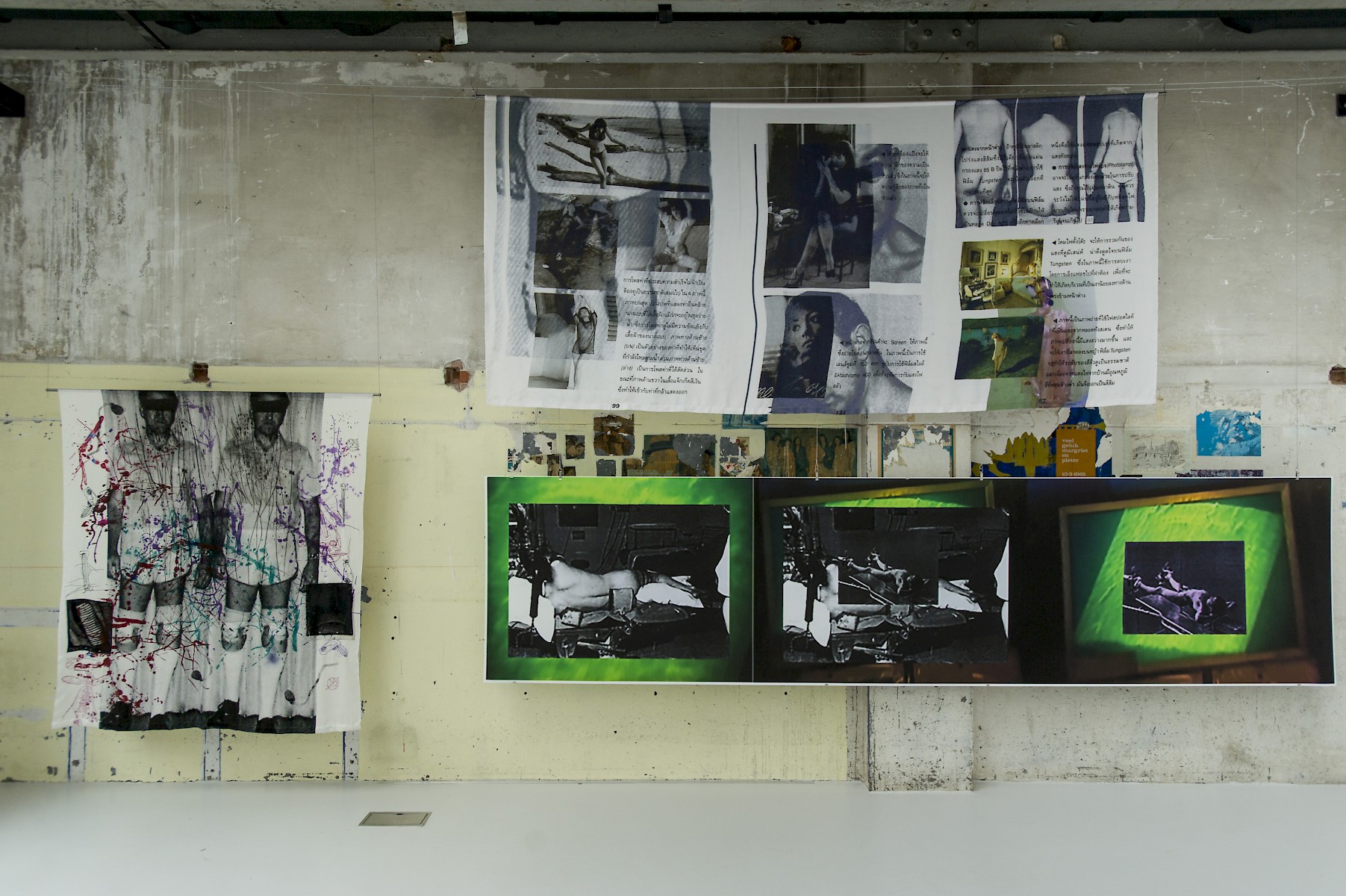
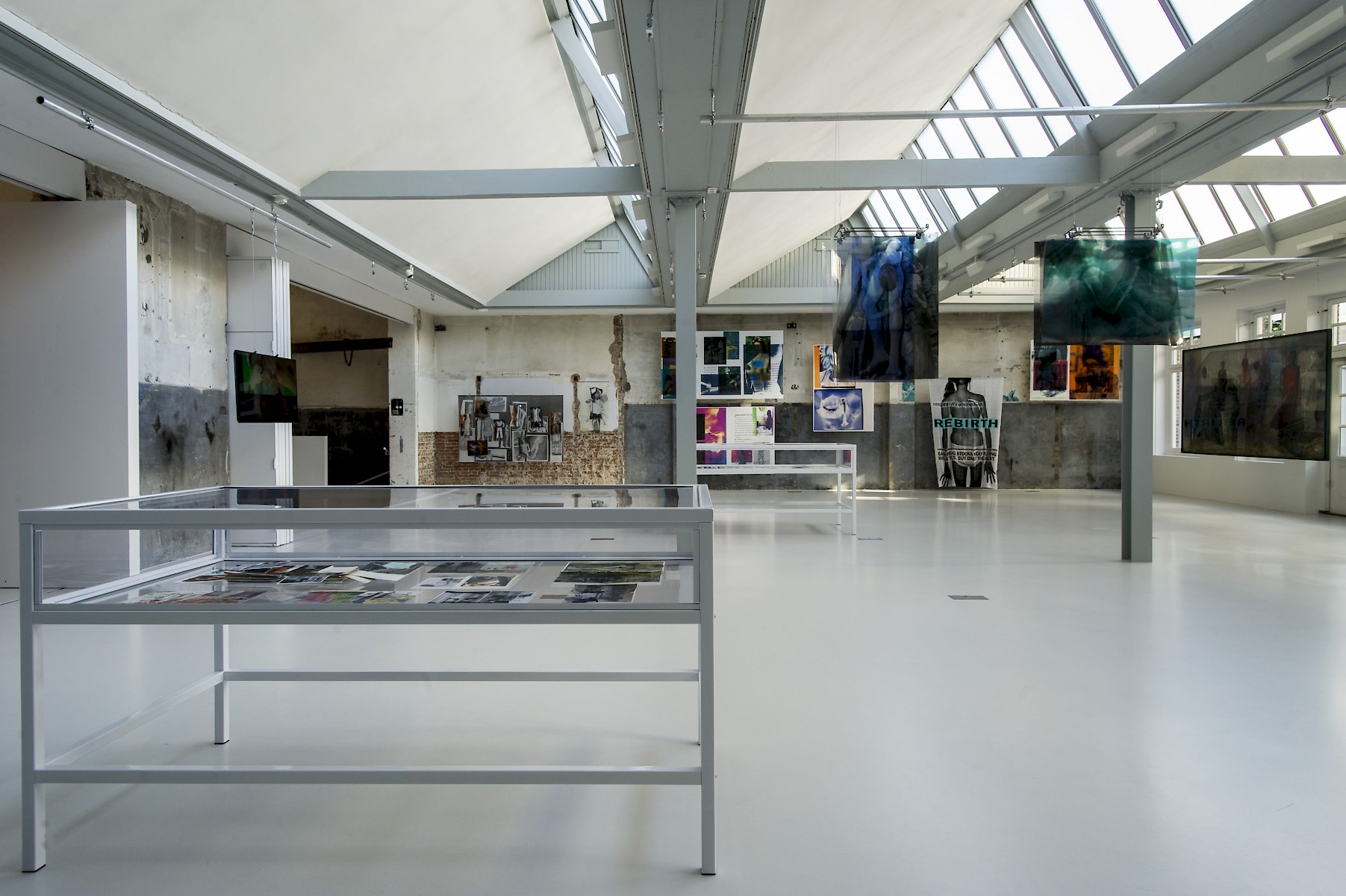
Through a combination of media (including video works, digital photos, film scripts, drawing, watercolours, sculpture, textile, assemblage and notebooks), ‘Pharmacy Deux Milles’ brings to life two constructed, non-linear narratives. The first unfolds in the project’s eponymous nightclub and the other in the laboratory of the Genlock Corporation.
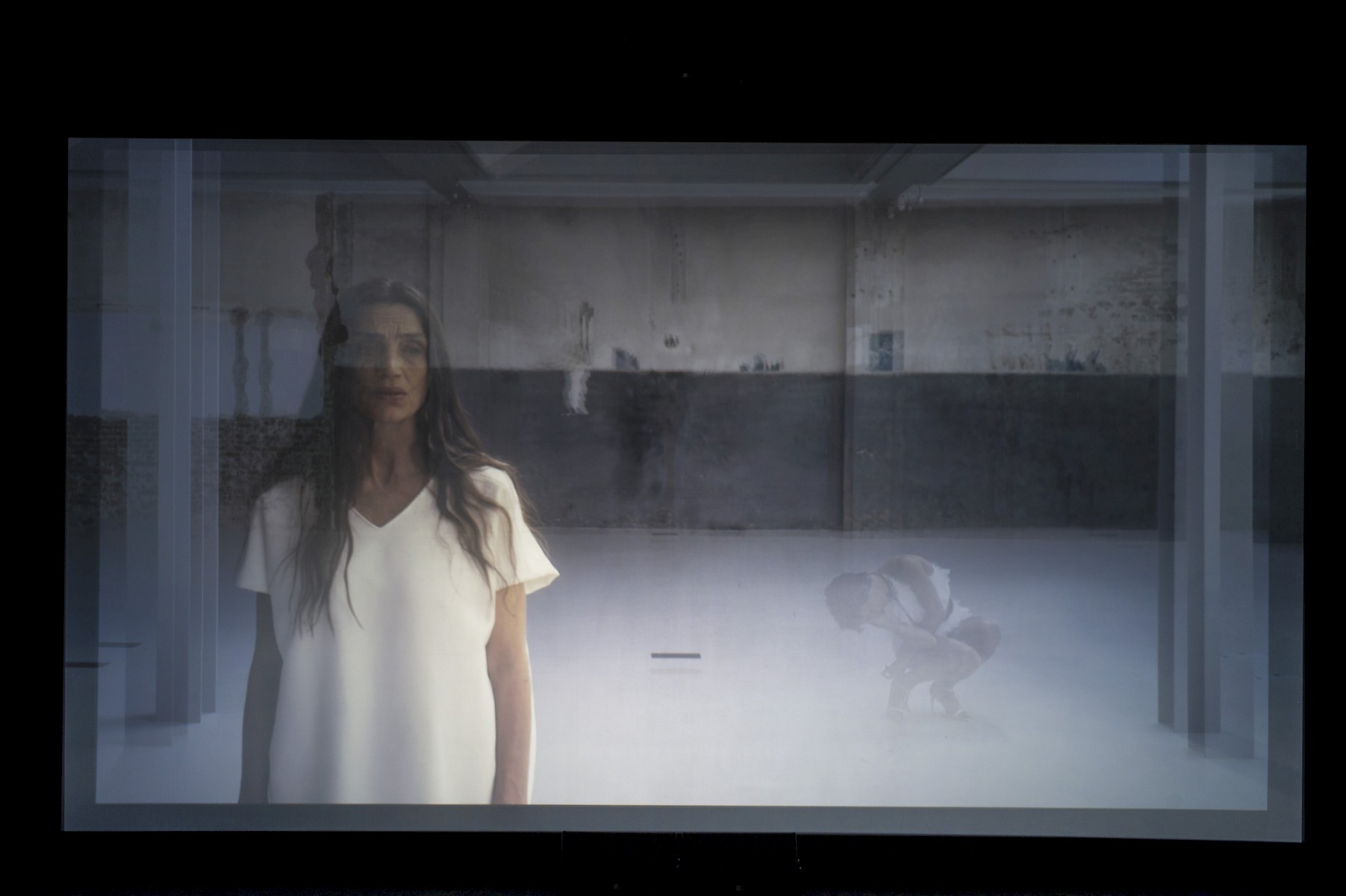
The nightclub Pharmacy Deux Milles is a locale where Bastiaans’s ‘hurt models’ – all of whom suffer from genetic disorders – can perform in safety. Martha, played by Ángela Molina, is the caring owner of the intimate nightclub. She offers the ‘hurt models’ a stage on which they can give form and expression to their existence and even find beauty in it. Martha feels a strong emotional connection with the ‘hurt models’; her own daughter Laura, played by Jeanne Balibar, likewise has a rare genetic condition. Based on extensive research into rare types of genetic disorders such as mutations in the FOXP2 gene (the so-called language gene), Bastiaans worked with the performers to devise specific ‘hurt model’ patterns of body language, idiosyncratic behaviour, gestures, articulation and paroxysms. The characteristics of the behaviours caused by such genetic mutations permeate the entire exhibition. There is no recognisable beginning, middle or end. Everything is simultaneously fragmented and layered, interrelated and disjointed.
The genetic engineering laboratory of the Genlock Corporation, an entertainment company, stands in stark contrast to the warmth and shelter of the intimate nightclub. The laboratory, directed by Philip Ram (played by Bert Luppes), is the materialisation of a concept of a new, overall perfection, whereby social relations, communication and humanity have all undergone a fundamental transformation. The intentions and the underlying ideology of the modern entertainment environment propagated by the Genlock Corporation are in direct opposition to those of the nightclub. The Genlock Corporation designs and builds DNA specifically for the creation of star performers. Whereas the nightclub Pharmacy Deux Milles seeks to provide a warm locale where imperfection is accepted, appreciated and assigned meaning, the Genlock Corporation’s mission is the retroactive correction of biological defects in potential star performers. As ‘models of fabricated perfection’, the latter are very different from the ‘hurt models’ of the nightclub.
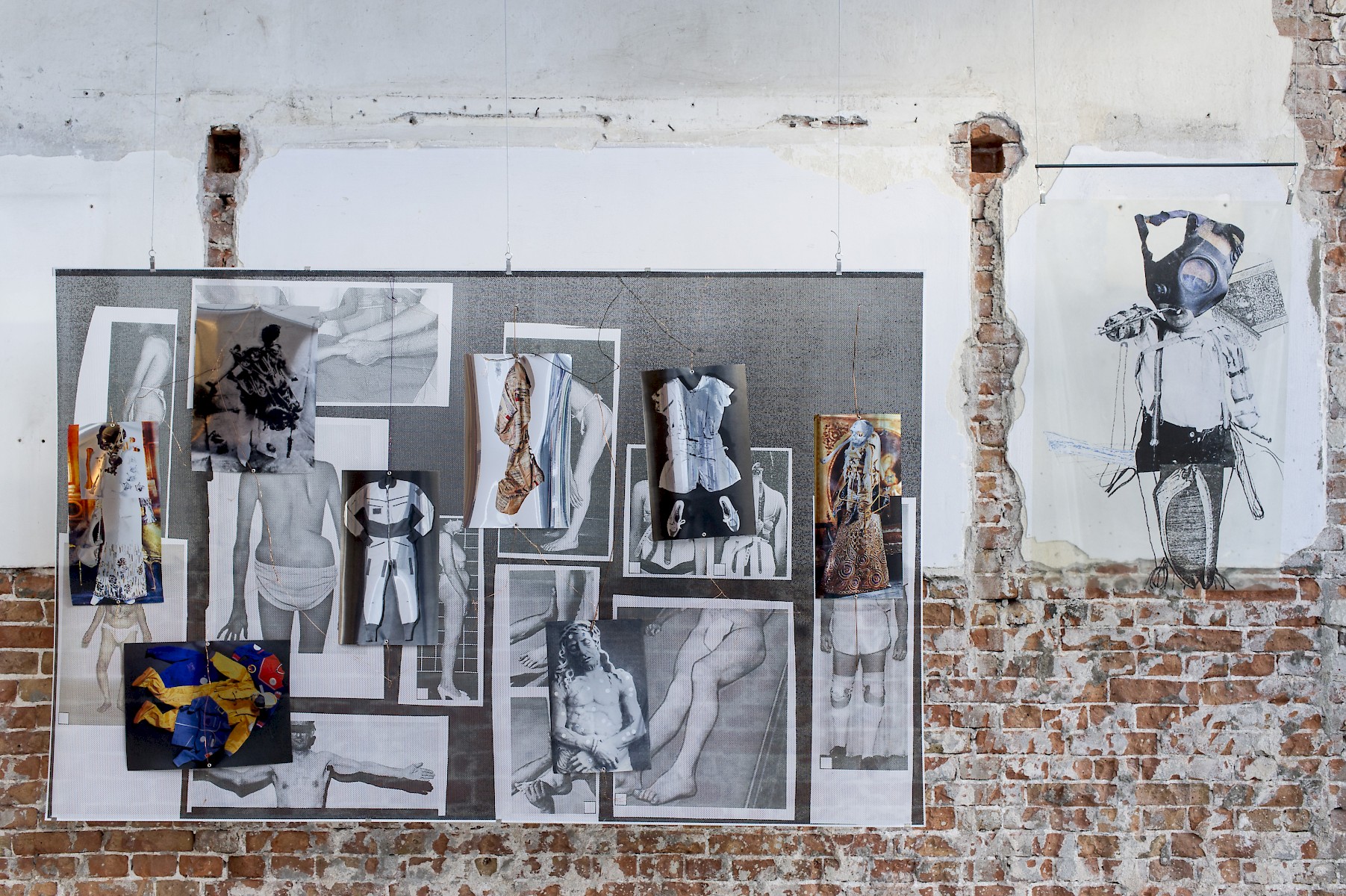
A central point from which the exhibition seems to emanate is the video installation in the basement of Looiersgracht 60. The images projected onto two semi-transparent screens suspended from the ceiling overlap and intermingle with each other. In fact, everything about this exhibition is layered. There is virtually no distinction between the filmic and installation elements of ‘Pharmacy Deux Milles’. Everything is to be understood as overlapping and interrelated. To that end, many of the assemblages displayed in this exhibition are suspended and unframed.
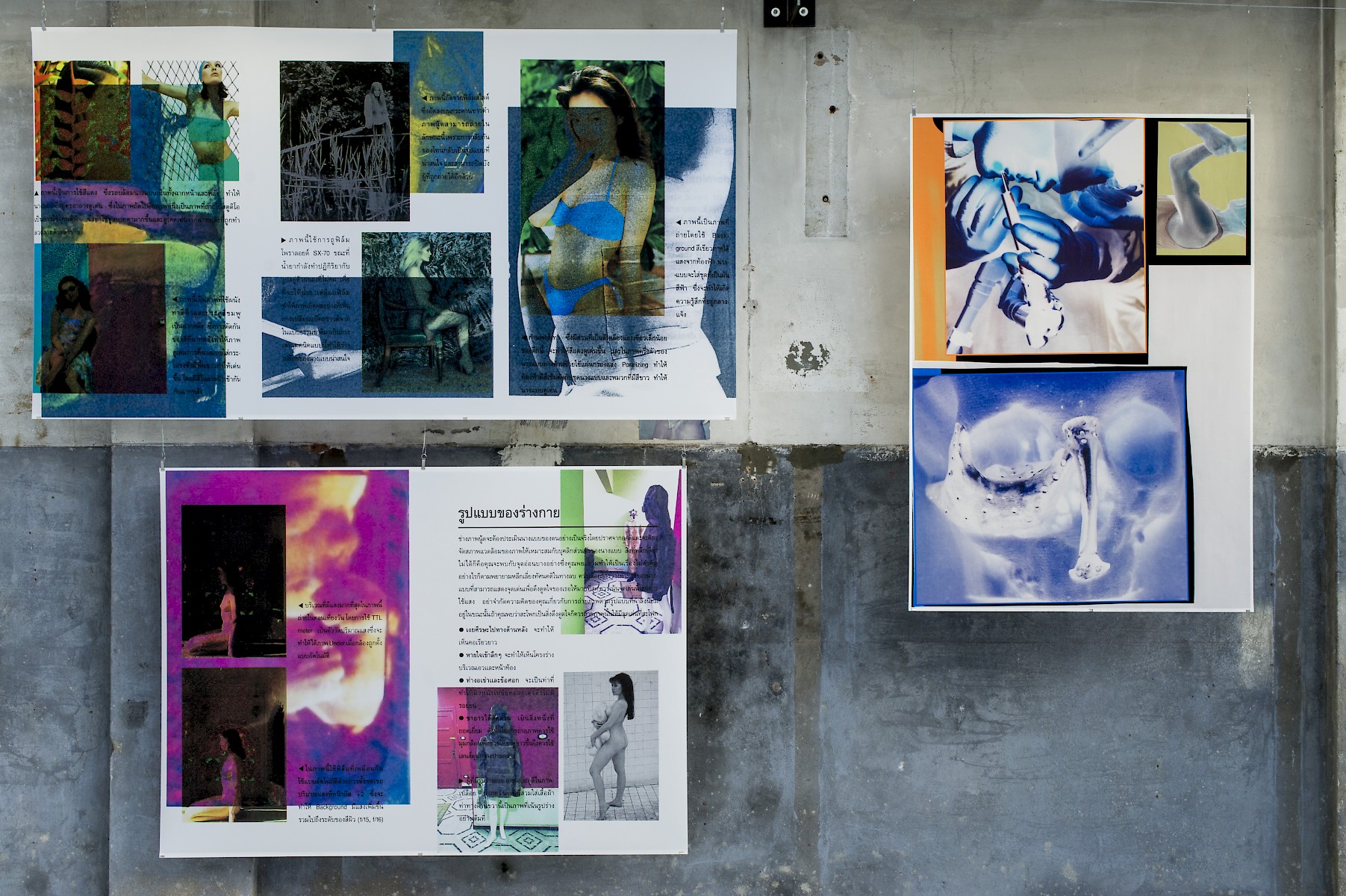
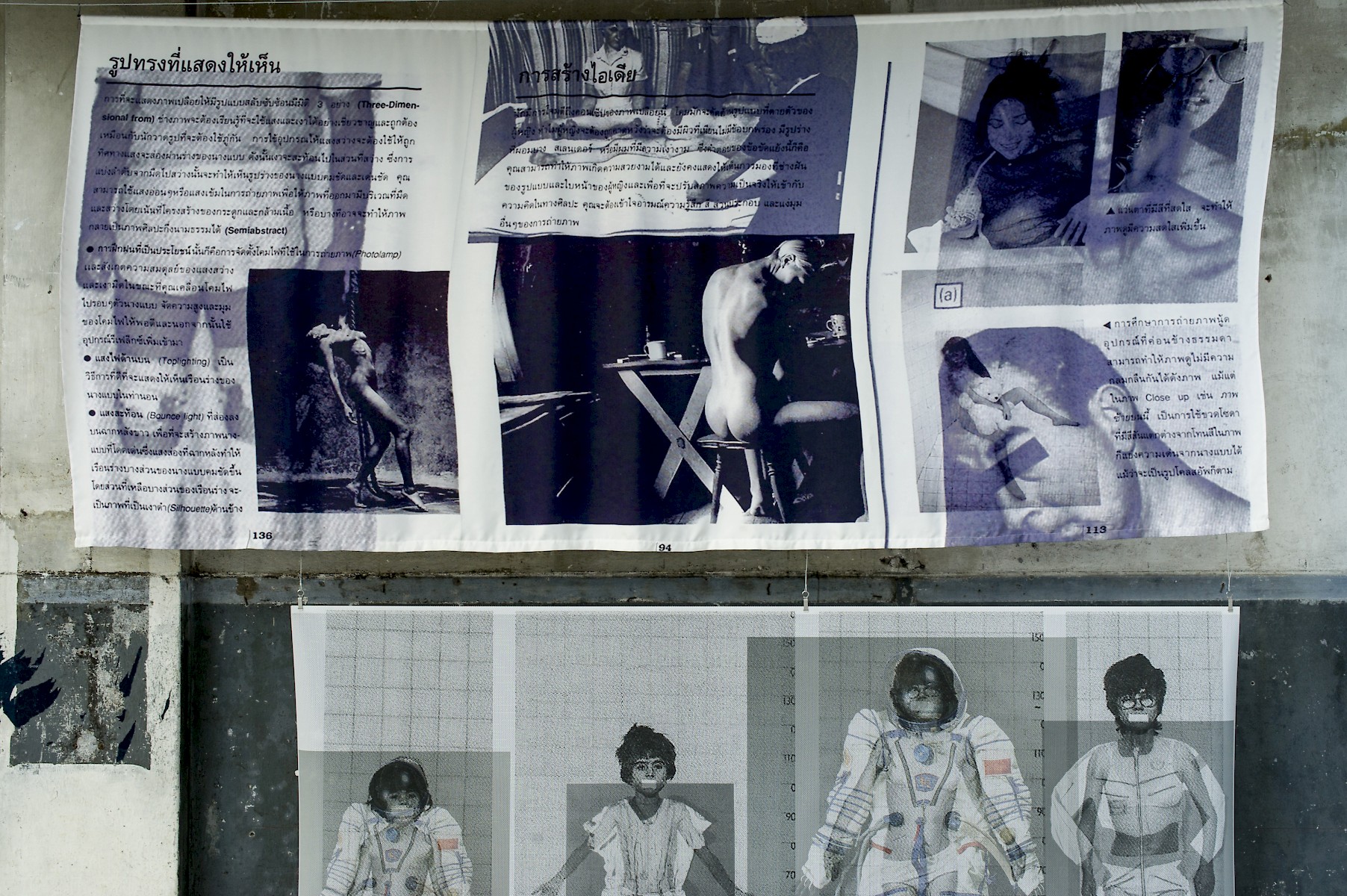
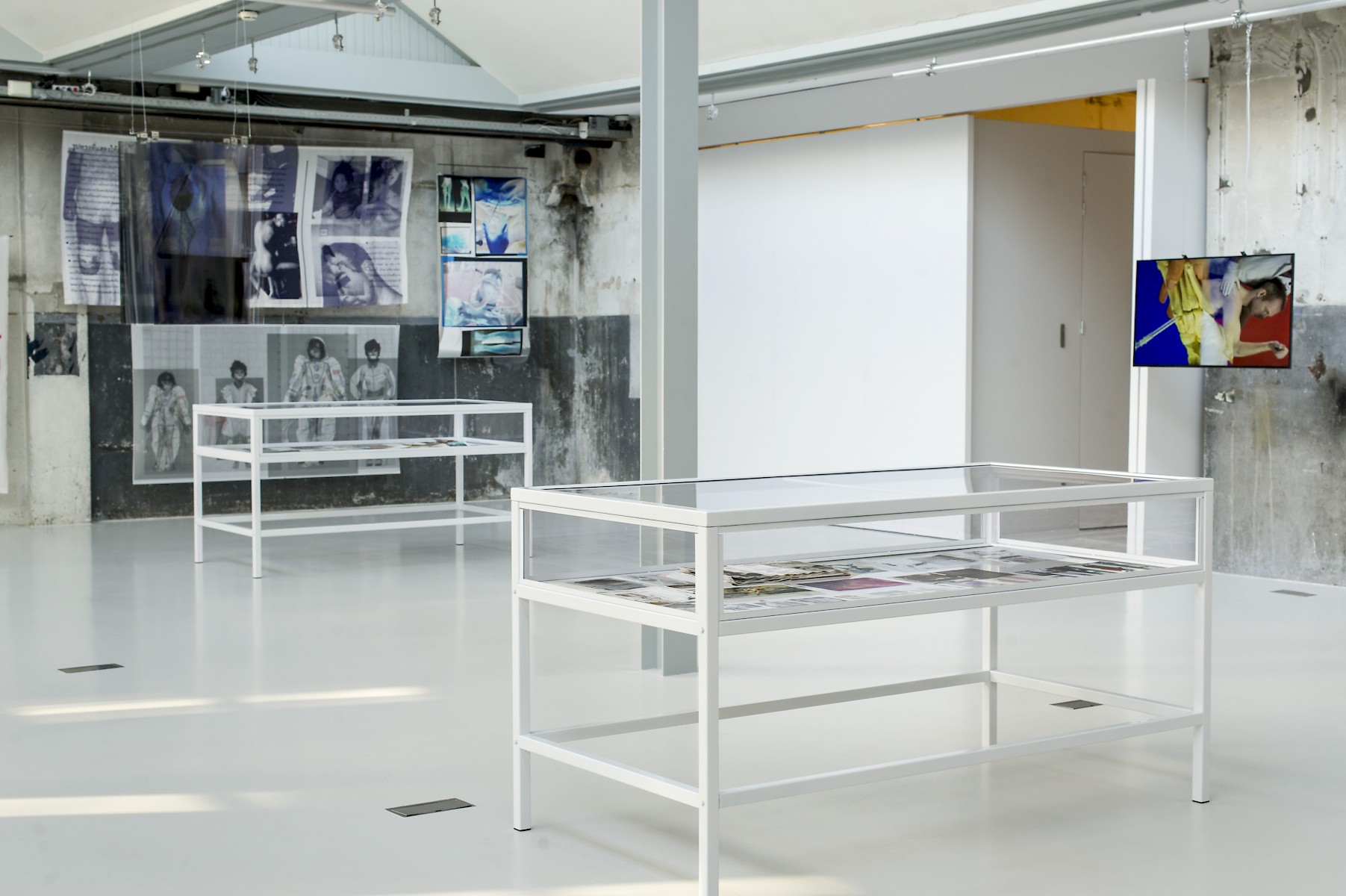
In his work, Bastiaans regularly engages with literature, science and critical theory. As the quotes displayed on the gallery’s pillars suggest, Michel Foucault’s The Birth of the Clinic (1963) was among the books that were most influential in the creation of this exhibition. The various smaller artworks included in the exhibition were often the starting points for the ideas and motifs found in some of the larger pieces. Those smaller works are inkjet prints of an appropriated image or of photographs taken by Bastiaans, overpainted with Japanese watercolours (gansai). The works presented in the display cases are mainly pages from movie magazines that have been imprinted with texts and images.
The notebooks on display are Japanese and Chinese panorama sketchbooks that provide remarkably detailed records of the works being shown. They meticulously document Bastiaans’s intense formal experimentation and extensive research. They contain the research materials, sketches, drawings, essays, small artworks, cut-outs, handwritten notes, text fragments and free associations that Bastiaans created and collected to test out hundreds of ideas in preparation of his final works. The notebooks afford a rare glimpse into his exploration of ideas and the process that preceded the creation of Bastiaans’s final works.
All this work, thought and preparation is part of an incremental process leading to Bastiaans’s ultimate aim: to rehumanise the ‘hurt models’ for the beholder. People often choose not to engage with challenging situations, with things they do not want to see. Bastiaans’s work seeks to confront those viewers who would rather turn away from that which is difficult or emotionally loaded. Taking the time to see such things encourages understanding, respect and – in Bastiaans’s work – the search for a glimmer of beauty.
Genetic Modification and Society
As with his previous work, the underlying idea of ‘Pharmacy Deux Milles’ is not an arbitrary or isolated theme. Although a constructed scenario, it speaks to a pressing issue in our society. On 5 March 2015, MIT Technology Review published an article entitled ‘Engineering the Perfect Baby’. According to this article, the first genetically modified human embryos already exist, and developments in genetic engineering are now moving from adjusting tissue and correcting single faulty genes to rewriting whole parts of the genetic code in the human germline. This has potentially unfathomable repercussions, as modifications made in the germline will change not only the individual humans created but also the fundamental genetic code for all following generations.
There is widespread hope that genetic engineering could eventually be what vaccines were to previous generations by wiping out hereditary illnesses and genetic defects such as cystic fibrosis, Alzheimer’s and Huntington’s. On the other hand, what is to stop humanity from setting out on a path toward a dystopia of ‘super people’? Not only designer babies, but a whole designer race of more beautiful, more healthy and more intelligent humans. In ‘Pharmacy Deux Milles’, Bastiaans expresses his social critique through the genre of science fiction by endowing the human body with an infinite number of associations and possibilities that have an intended life beyond this exhibition. The work displayed here is intended to provide an immersive experience, foreshadowing a more detailed realisation of these themes in the form of a feature-length film entitled Nightclub Pharmacy Deux Milles. The exhibition at Looiersgracht 60 works like a spatial film script with its focus on immediate experience and philosophical exploration. The film under development will explore in further detail the experiences of both the ‘hurt’ and genetically ‘perfect’ models: the beauty of imperfection and the dangers of striving for perfection.
Pharmacy Deux Milles
Christiaan Bastiaans
26 September – 8 November 2015
Last updated: 7 July 2026 4:49 PM